
Table of Contents
ToggleThe debate between Oblivion vs Skyrim has raged among Elder Scrolls fans for over a decade. Both games defined their respective eras and introduced millions of players to Bethesda’s fantasy universe. Oblivion launched in 2006 and brought open-world RPGs into the mainstream. Skyrim followed in 2011 and became one of the best-selling games of all time.
So which game actually deserves the crown? The answer depends on what players value most, whether that’s deep role-playing systems, immersive worlds, or refined combat. This comparison breaks down both games across five key areas to help players decide which Elder Scrolls adventure suits them best.
Key Takeaways
- Oblivion vs Skyrim comes down to personal priorities—Oblivion excels in creative quests and RPG depth, while Skyrim offers smoother combat and accessibility.
- Skyrim’s overhauled combat system feels more responsive, with dual-wielding and dragon shouts adding tactical variety that Oblivion lacks.
- Oblivion’s quest design remains legendary, featuring memorable faction storylines and creative missions that many fans consider superior to Skyrim’s formulaic dungeons.
- Character progression differs significantly: Oblivion rewards careful class planning, while Skyrim’s perk-based system lets players specialize organically through gameplay.
- For first-time players, Skyrim runs better on modern hardware without modifications, making it the more accessible entry point into the Elder Scrolls series.
- Both games benefit from active modding communities that can dramatically improve graphics, gameplay, and content.
Setting and World Design Comparison
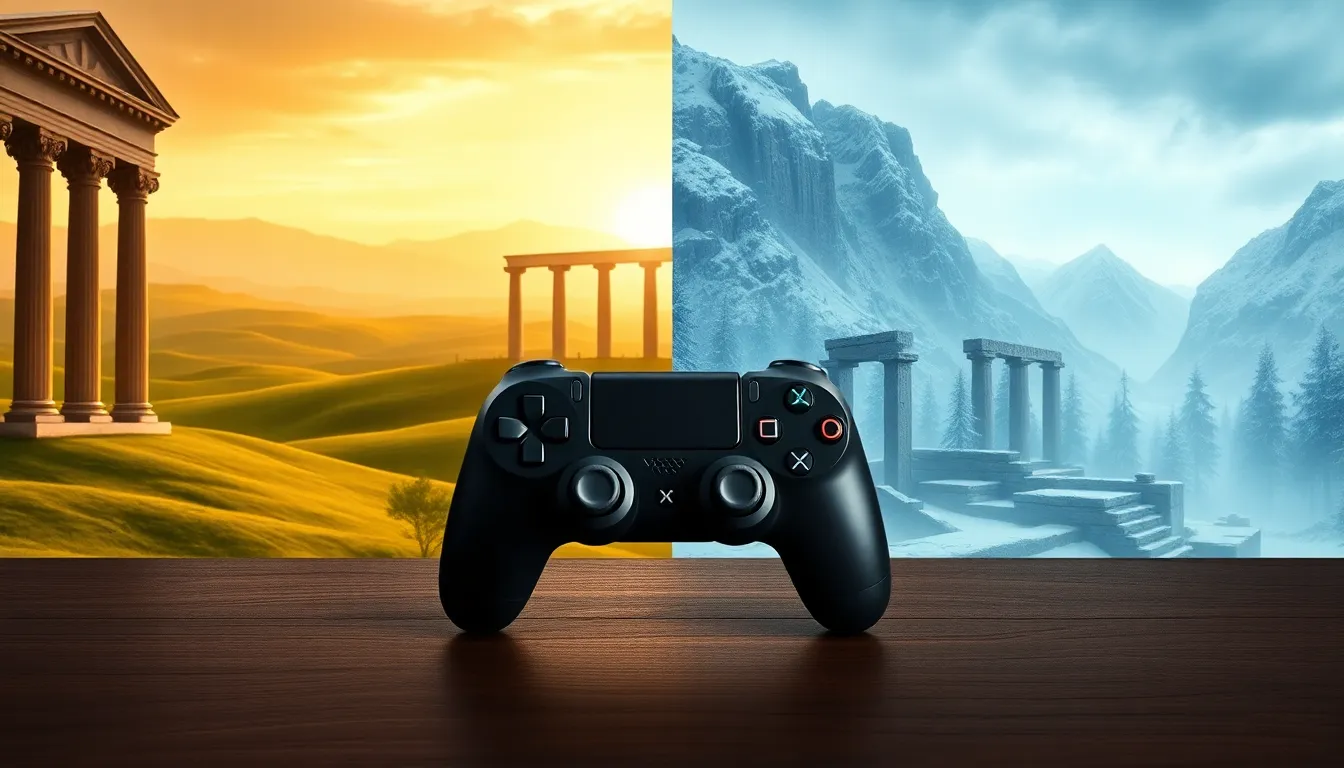
Oblivion vs Skyrim presents two very different fantasy landscapes. Oblivion takes place in Cyrodiil, the Imperial heartland of Tamriel. Players explore lush green forests, rolling hills, and classical Roman-inspired cities. The world feels warm and inviting, though critics often note its environments can blur together after extended play.
Skyrim drops players into the frozen northern province of the same name. Snow-capped mountains, ancient Nordic ruins, and dense pine forests create a distinct atmosphere. The landscape tells stories on its own, dragon burial mounds dot the terrain, and abandoned forts hint at past conflicts.
Both games feature impressive open worlds, but they achieve different goals. Oblivion’s Cyrodiil offers a traditional high-fantasy setting that feels like a storybook come to life. Skyrim’s harsh environment creates a grittier, more grounded experience. The contrast extends to architecture too. Oblivion’s cities feature grand stone structures and elegant bridges. Skyrim’s settlements look like they were built to survive brutal winters.
For pure variety, Oblivion edges ahead slightly. Cyrodiil contains swamps, mountains, and forests within one province. Skyrim commits fully to its Nordic theme, which creates stronger identity but less visual diversity.
Gameplay Mechanics and Combat Systems
Combat represents the biggest gap between Oblivion vs Skyrim. Oblivion uses a system where weapon swings can miss even when they appear to connect. This “dice roll” approach frustrated many players who expected action-game responsiveness. Magic feels powerful but managing the spell system requires patience.
Skyrim overhauled combat completely. Weapons connect when they should, and the dual-wielding system lets players mix swords, spells, and shields in creative ways. Dragon shouts add another layer of tactical options. Fighting a dragon in Skyrim genuinely feels epic, something Oblivion’s combat engine couldn’t deliver.
That said, neither game offers particularly deep combat. Skyrim improved the fundamentals but still relies heavily on basic attack patterns. Players looking for Dark Souls-level precision won’t find it here. Both games reward stealth builds handsomely, making archery and sneak attacks viable paths through either adventure.
Inventory management and crafting also differ significantly. Oblivion keeps things simple, players find gear and use it. Skyrim introduced smithing, enchanting, and alchemy systems that let players create absurdly powerful equipment. Some fans love this depth. Others feel it breaks game balance.
Quests and Storytelling
Quest design might be where Oblivion vs Skyrim sparks the most heated arguments. Oblivion’s quests are legendary for their creativity. The Dark Brotherhood questline remains a fan favorite, featuring twisted assassination contracts with memorable targets. The Thieves Guild sends players through clever heists. One famous quest traps the player inside a painting.
Skyrim’s main quest benefits from dragons, fighting these beasts never gets old. The civil war storyline adds political weight to the adventure. But, many Skyrim quests follow predictable patterns: enter a dungeon, kill enemies, retrieve an item. The formula works but lacks Oblivion’s surprise factor.
Oblivion’s writing shines brightest in faction questlines. Joining the Mages Guild or Arena provides distinct experiences with proper character arcs. Skyrim streamlined these guild stories, making them shorter and less demanding. Players can become Archmage with minimal magical skill, which breaks immersion for role-playing purists.
Both games deliver hundreds of hours of content. But Oblivion earns extra points for quests that stick in players’ memories years later.
Character Progression and Skill Systems
Character building differs drastically between Oblivion vs Skyrim. Oblivion uses a class-based system where players choose major skills at character creation. These choices matter, leveling happens based on major skill improvements, and poor planning can create weak characters. The system rewards knowledge but punishes newcomers.
Skyrim removed classes entirely. Every skill contributes to character level equally. Players specialize organically based on what actions they perform. Swing a sword often, and one-handed skill increases. Cast destruction spells, and that tree grows. This approach feels natural and eliminates the possibility of “broken” builds.
The perk system represents Skyrim’s biggest innovation. Each skill tree offers meaningful choices that shape playstyle. Archery perks let arrows stagger enemies or zoom time during aiming. Smithing perks unlock new crafting recipes. These decisions add weight to character development.
Oblivion’s attribute system (Strength, Intelligence, etc.) provided granular control but required spreadsheet-level planning to maximize. Skyrim simplified attributes to just Health, Magicka, and Stamina. Casual players appreciated the change. Hardcore RPG fans mourned the lost depth.
For accessibility, Skyrim wins easily. For those who enjoy crunchy character math, Oblivion offers more to chew on.
Which Game Should You Play First?
Choosing between Oblivion vs Skyrim for a first playthrough depends on player priorities.
Start with Skyrim if:
- Combat responsiveness matters most
- Modern graphics and interface are important
- Dragons sound appealing
- Simpler character systems feel welcoming
Start with Oblivion if:
- Creative quest design takes priority
- Traditional RPG mechanics appeal
- A warmer fantasy setting sounds attractive
- Player community mods have modernized the experience
From a practical standpoint, Skyrim runs better on current hardware without modification. Oblivion requires patches and tweaks to function smoothly on modern systems. Players with limited patience for technical issues should factor this into their decision.
Both games support incredible modding communities. Skyrim’s mod scene remains active with thousands of additions. Oblivion mods have matured over nearly two decades, offering complete overhauls that fix dated elements.


